Research Project
within the Leibniz Professorship Program; Juliane Fürst: “Nuclear Reaction on the Khreshchatyk: Ukrainian Society and its Path from Perebudova to Decoloniality, 1986–1994”
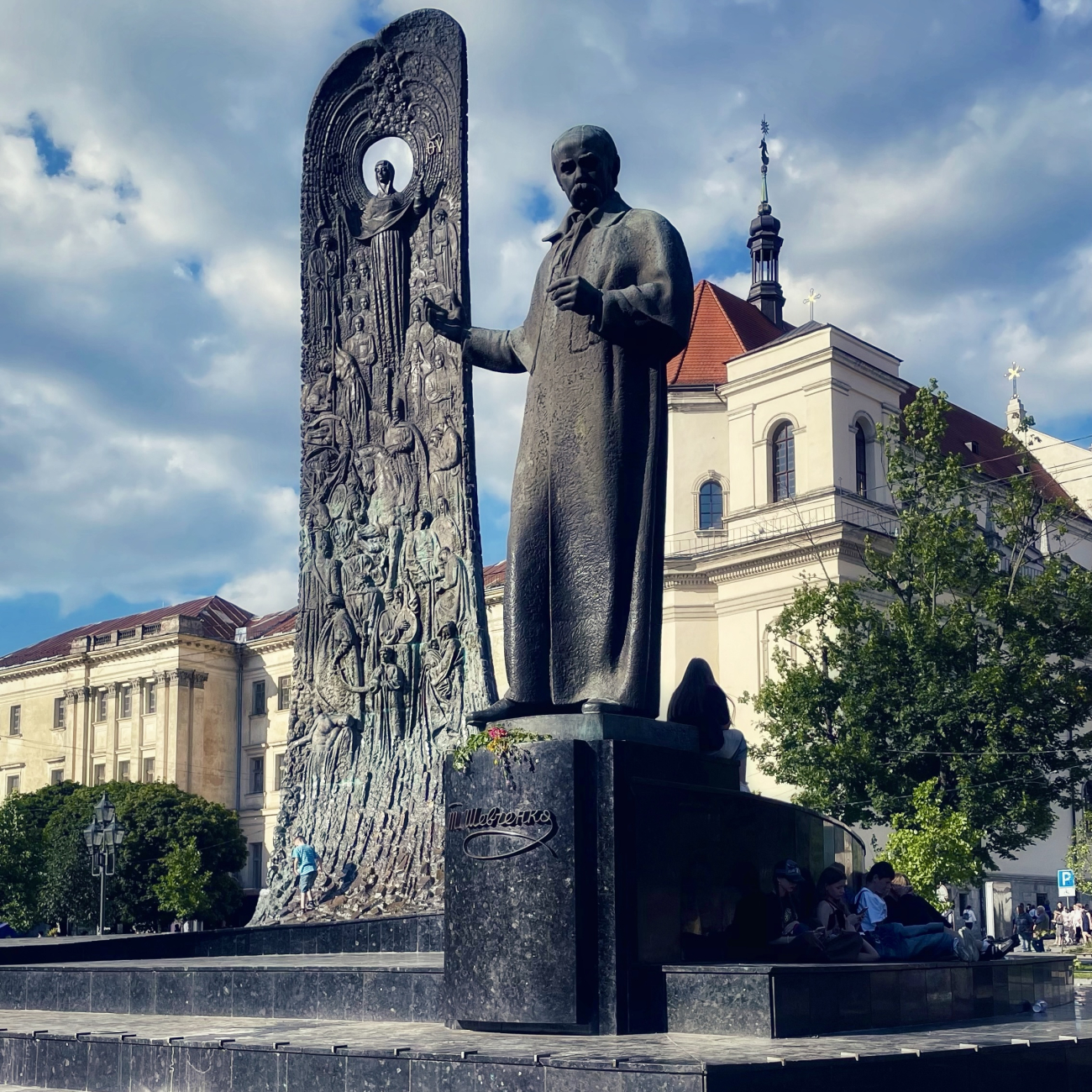
Why did Lviv emerge as a driving force of change in the late 1980s and early 1990s? This project examines the western Ukrainian city as a key site of social mobilization, cultural renewal, and political reorientation.
Even during the Soviet period, Lviv occupied a distinctive position: historically layered and strongly oriented toward Central and Western Europe. During the years of perebudova (perestroika), the city became a focal point for protest, language and cultural initiatives, and new forms of urban public life. In streets and squares, in samvydav publications, in cultural projects, and within emerging civil society networks, new understandings of belonging and civic engagement took shape.
Drawing on archival records, photographs, newspapers, self-published materials, and oral history interviews, the project reconstructs how political activation, cultural self-assertion, and urban identity became intertwined in Lviv. The city emerges as a laboratory of transformation—a space in which processes of detachment from the Soviet center were articulated early and with particular intensity.
By offering a microhistorically grounded perspective, the project contributes to a deeper understanding of how independent Ukraine came into being. It demonstrates how large-scale political change was enacted and experienced within specific urban settings.